Full Bike Inspection
The shop examines the brakes, drivetrain, tires, wheels and fasteners. After the assessment, the team explains which adjustments they recommend, points out worn parts and estimates how long the work should take.

The shop assesses inspections, repairs and accessories based on your bike's condition, intended use and available parts.
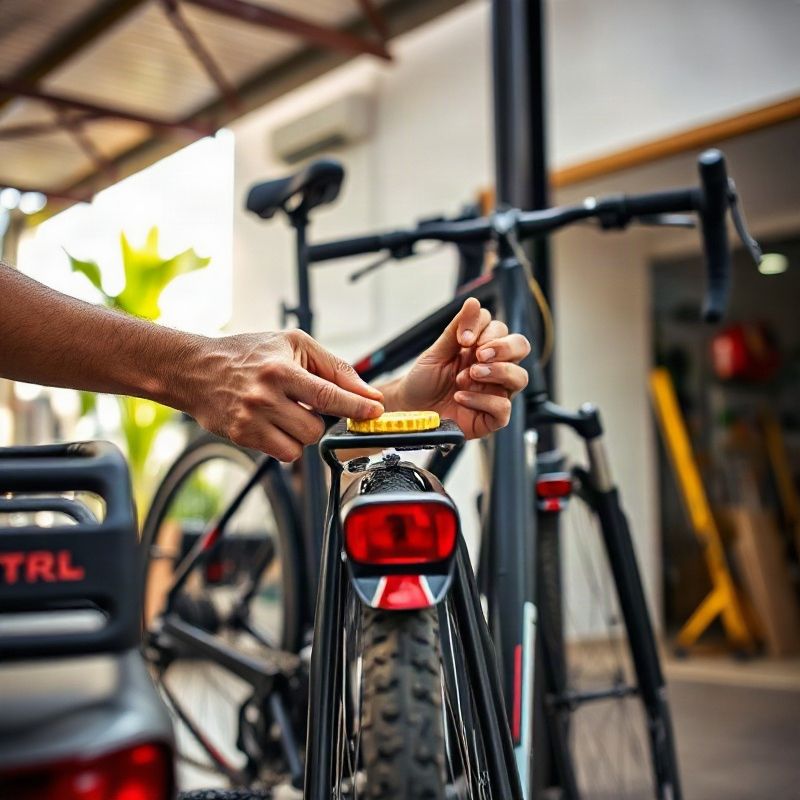
First, the team examines the brakes, wheels, drivetrain and areas related to the problem you reported. Then they explain what they found and outline the proposed work and parts before starting. A simple adjustment may be ready the same day; a more extensive inspection usually needs to be booked, with a timeframe set after the bike is examined. At pickup, you learn what was done and receive guidance on use and maintenance. Parts availability may change the agreed timeframe.
The shop examines the brakes, drivetrain, tires, wheels and fasteners. After the assessment, the team explains which adjustments they recommend, points out worn parts and estimates how long the work should take.
The team investigates noises, rubbing and imprecise shifting before making adjustments. Depending on the condition of the parts and the bike model, they may suggest adjustment, cleaning or replacement.
Punctures, frequent pressure loss and tire wear are assessed at the bench. The team checks the compatible size and presents the available options before repairing or replacing anything.
The team can help you choose lights and other basic accessories based on fit and use. If installation is possible, they explain the work and confirm whether the item is available at the shop.
Photos and descriptions help start the conversation, but they do not always reveal the cause of a problem. A quote depends on inspecting the bike at the shop. If a part is unavailable, the team explains the alternatives and confirms a new timeframe before proceeding. Riverlalpha maintains conventional bicycles and works with compatible accessories; we do not repair motorcycles or work on the electrical systems of motorized bicycles. If you are unsure about your model, ask the team before visiting.

Tell us whether you ride every day, take occasional trips or have left the bike unused for a while. This helps the team prepare for the assessment and focus on the most relevant areas.
Explain when the noise, fault or discomfort started and when it occurs. Your description guides the inspection; a diagnosis can only be confirmed with the bike at the shop.
Get in touch before bringing your bike, especially for a more extensive inspection. The team will tell you which times are available and agree on the next steps after examining it.
Tell us what is happening with your bike and arrange a time for an assessment at the shop.